What to do before we arrive
Stop putting water into the system. That means no taps, no washing machine, no dishwasher, and no flushing if the toilet is involved. Every liter that goes in has to come out somewhere, and right now it is coming out where you do not want it.
If the backup is at a basement floor drain, move anything you care about off the floor. If you can reach the water shut-off comfortably, knowing where it is helps.
What happens when we get there
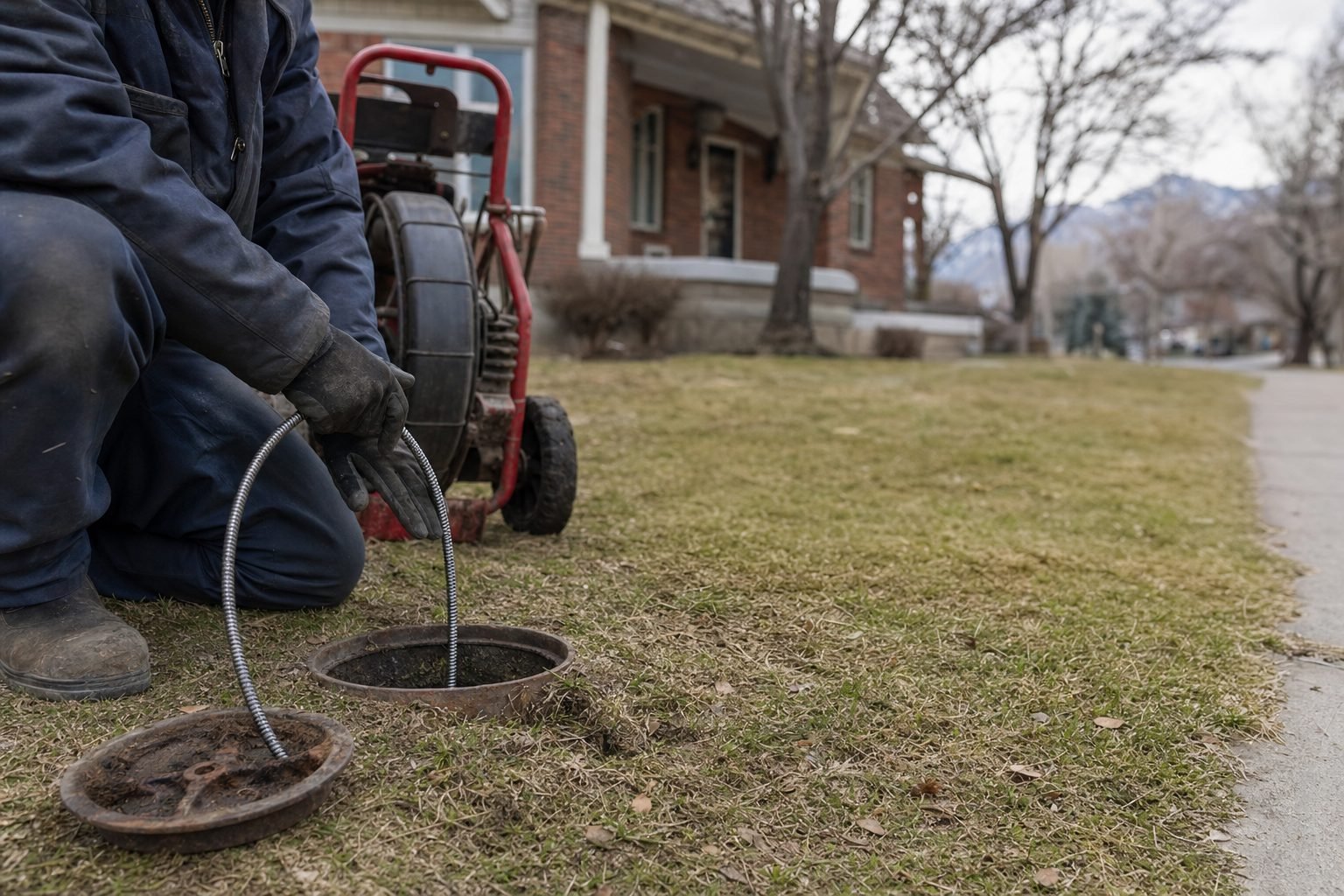
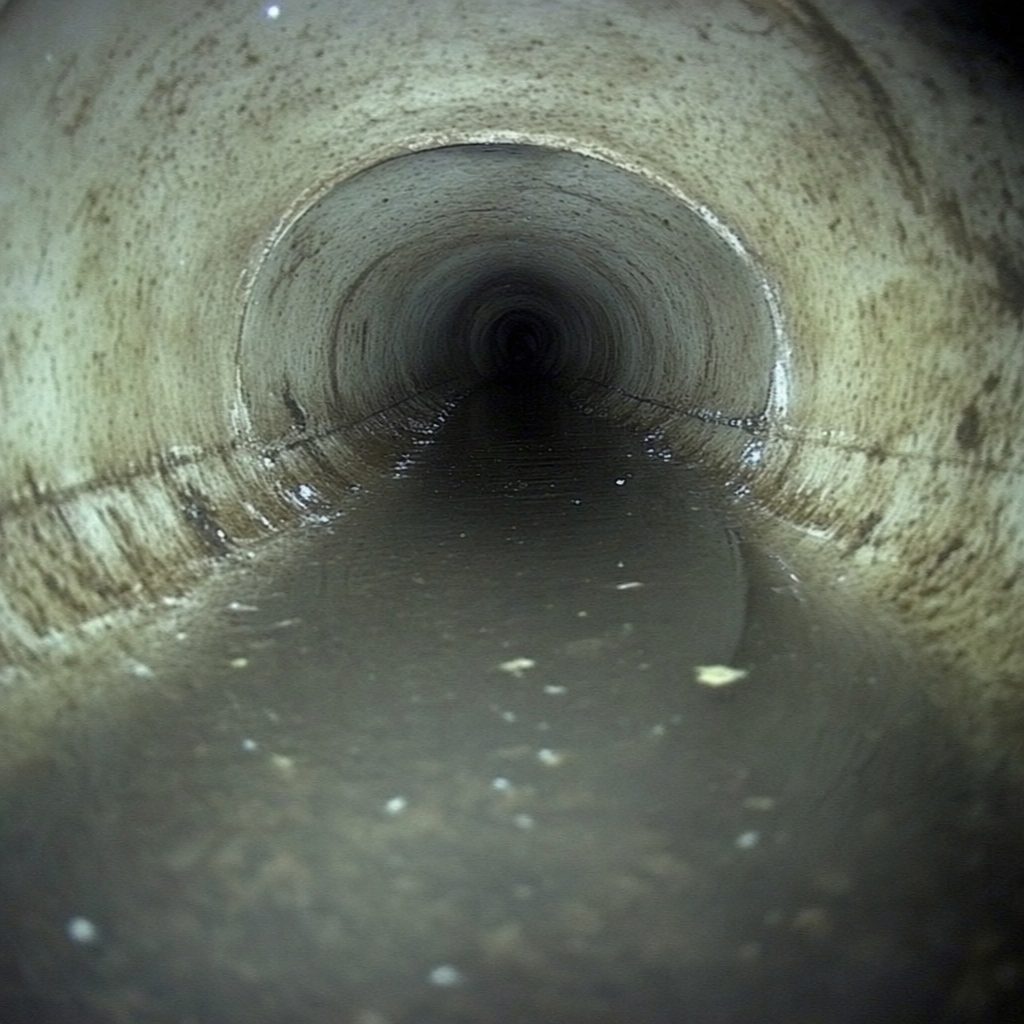
Flow first. On an active backup the priority is getting the line open so the house is usable again. Diagnosis follows, and it follows quickly, because the state of the line right after it has backed up is informative.
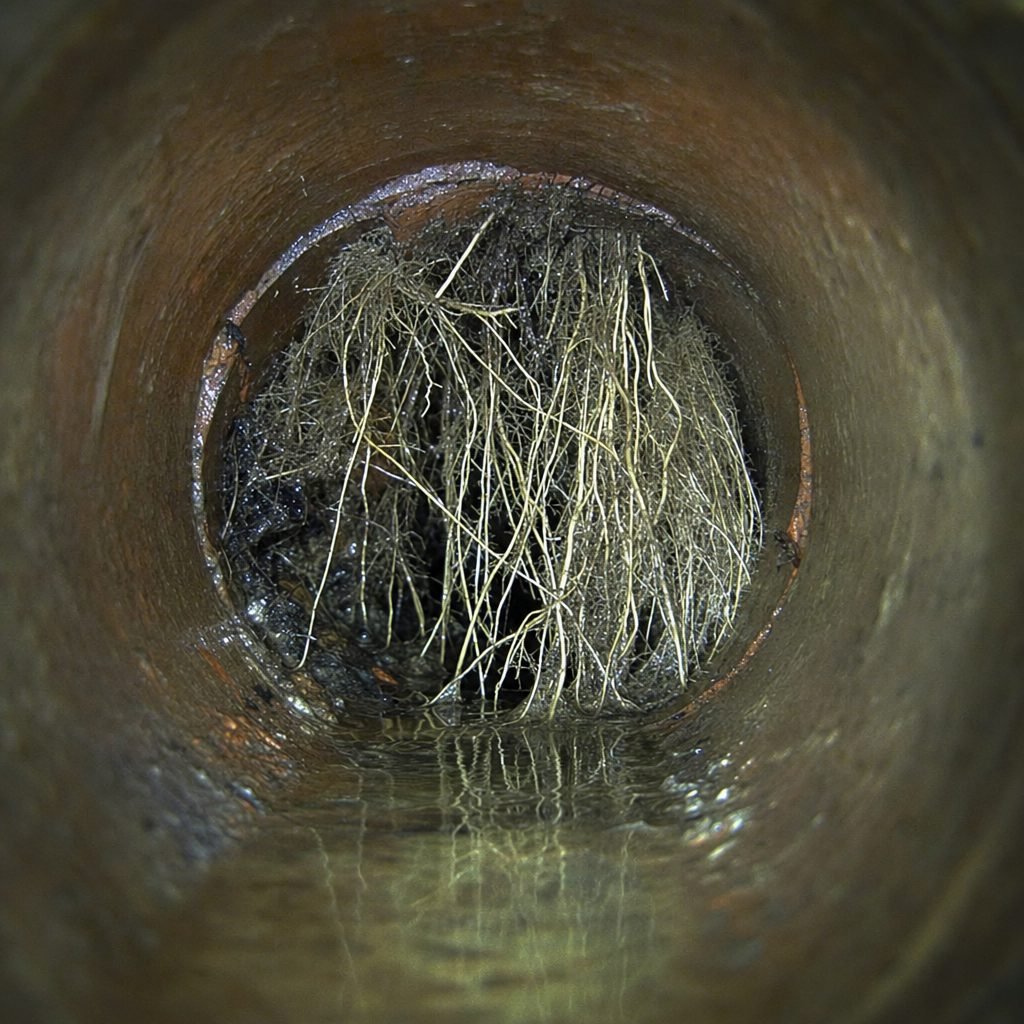
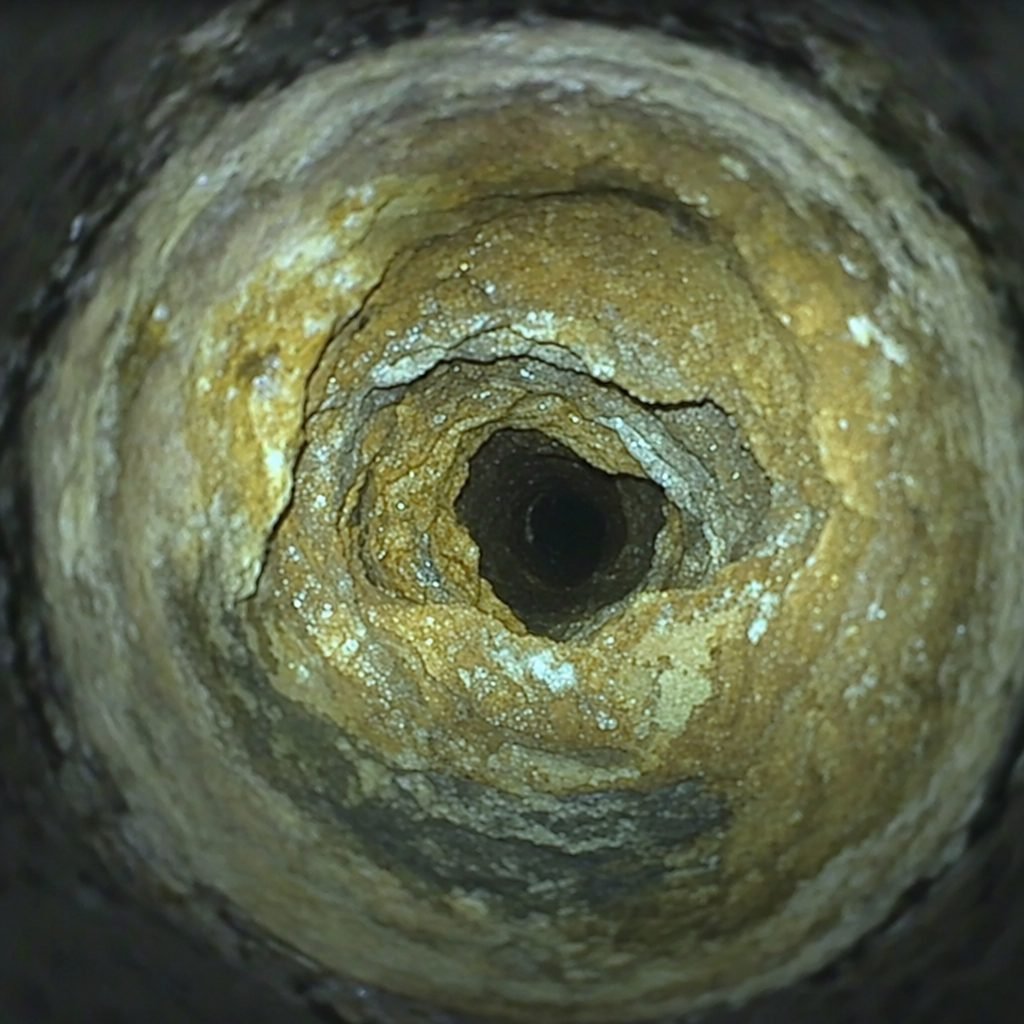
Once it is open we will tell you what caused it. If it is something that will recur, we would rather say so now than have you call again next month.
What we will not do at two in the morning
We will not use an emergency as leverage. Nobody makes a good decision about a five-figure excavation at midnight with water on the floor, and quoting one in that moment is a sales tactic rather than a diagnosis.
We will get the line open, tell you what we found, and put any larger conversation off until you have had a chance to think about it in daylight.
What it costs out of hours
Out-of-hours work costs more than scheduled work, and we will tell you the rate before coming out rather than presenting it afterwards. If the situation can safely wait until morning, we will say so and it will cost you less.
Why we diagnose the next day
The state of a line immediately after a backup is informative, so we note what we see. But nobody makes a good decision about a large job at midnight with water on the floor, and quoting one in that moment is a sales tactic rather than a diagnosis.
Preventing the repeat
Most emergency backups are the end of a process that has been running for months. Once the immediate problem is dealt with, the conversation worth having is what caused it, because that is the one that stops it happening again.