What jetting actually does
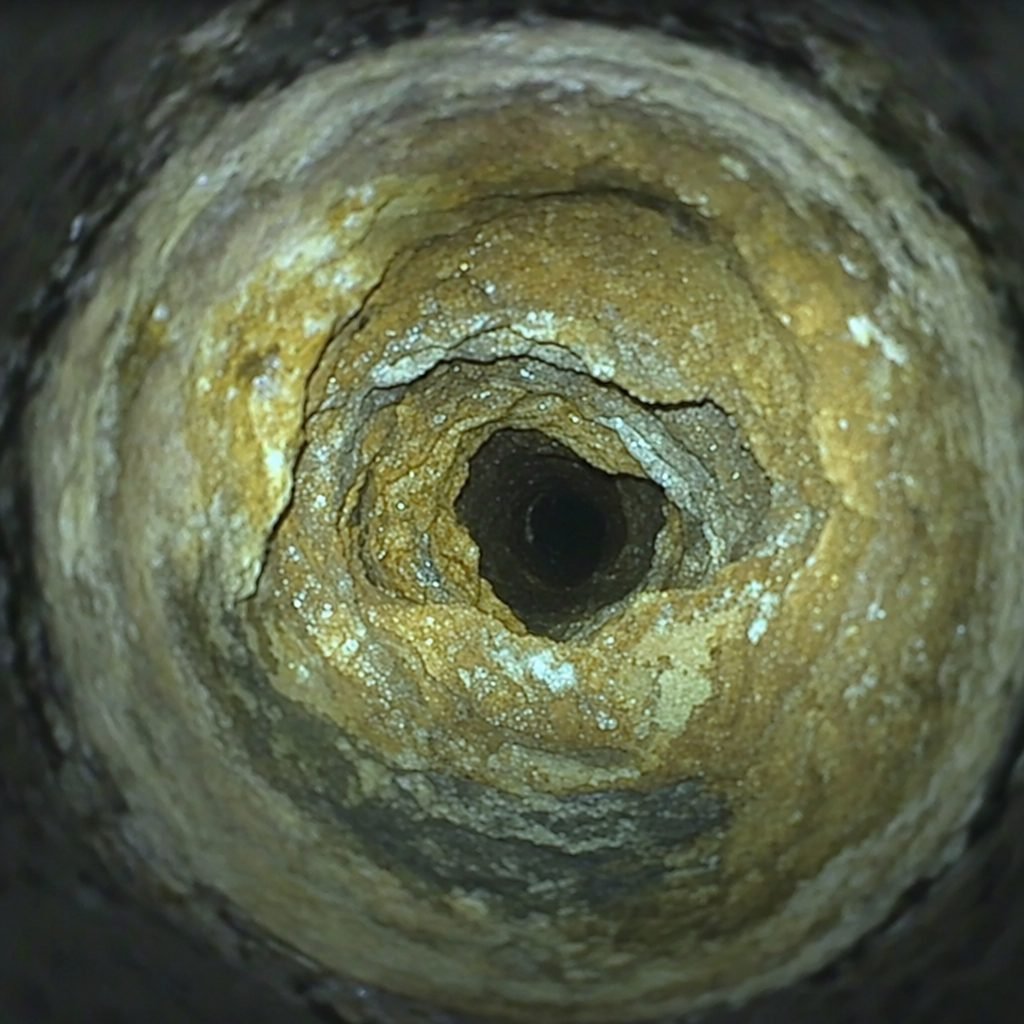
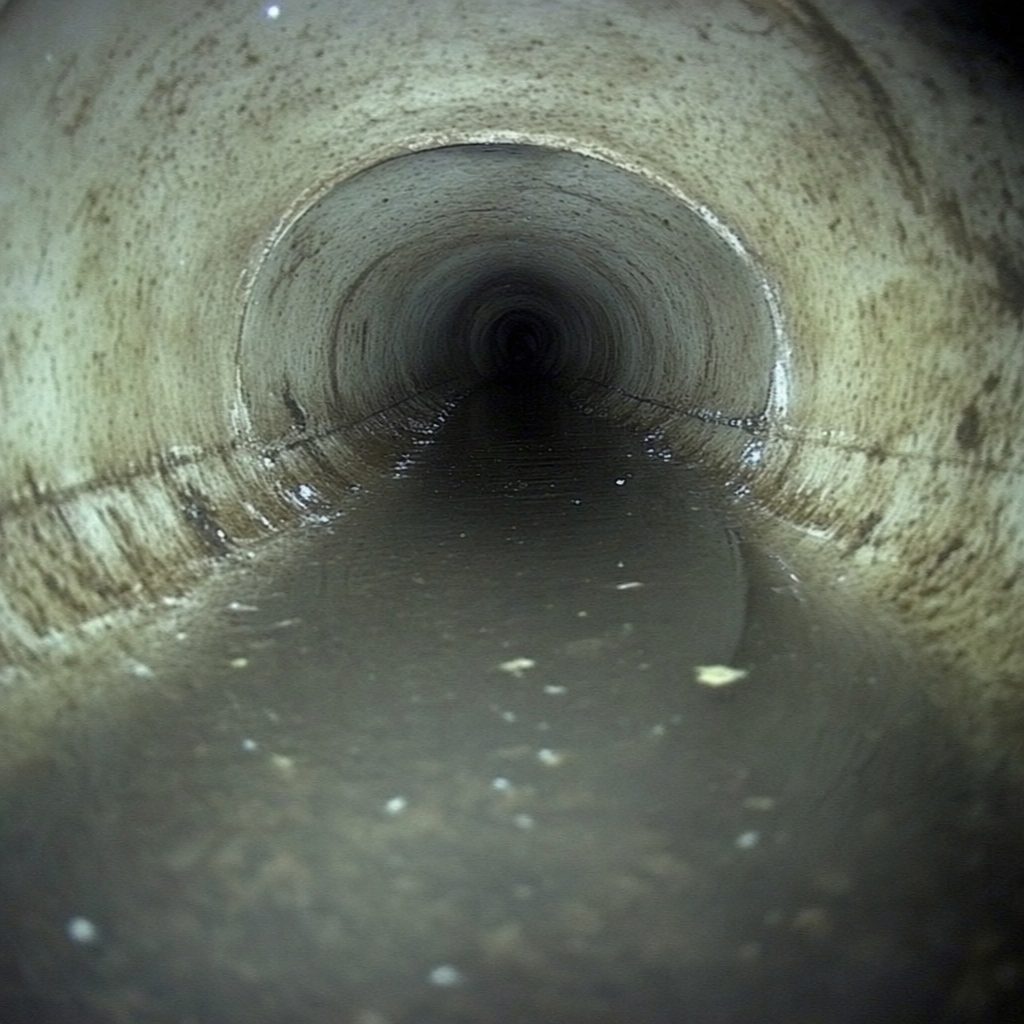
A jetter puts water through a nozzle at pressure and pulls it back along the pipe. The water cuts grease and sludge off the wall and carries it out, which leaves the line at close to its original diameter rather than with a channel bored through the middle of whatever was coating it.
That difference is why a jetted line tends to stay clear longer than a cabled one. A cable makes an opening. A jetter removes the reason the opening was needed.
When it is the right call
Jetting suits grease, soap film, sludge and soft build-up. Kitchen lines are the classic case: years of warm grease going down and cooling on the pipe wall until the bore is a fraction of what it should be.
It also suits lines that have been cabled repeatedly. If a drain has been opened three times and keeps returning, the coating was never the thing being removed.
When it is the wrong call
Jetting is not right for a pipe that is already cracked, separated or badly deteriorated. Pressure in a compromised line can make a bad situation worse, and no amount of cleaning fixes a structural fault.
This is the practical reason we look before we jet. The camera tells us whether the pipe can take it. If it cannot, jetting is not what we will recommend, and we will show you why.
Roots are a different problem
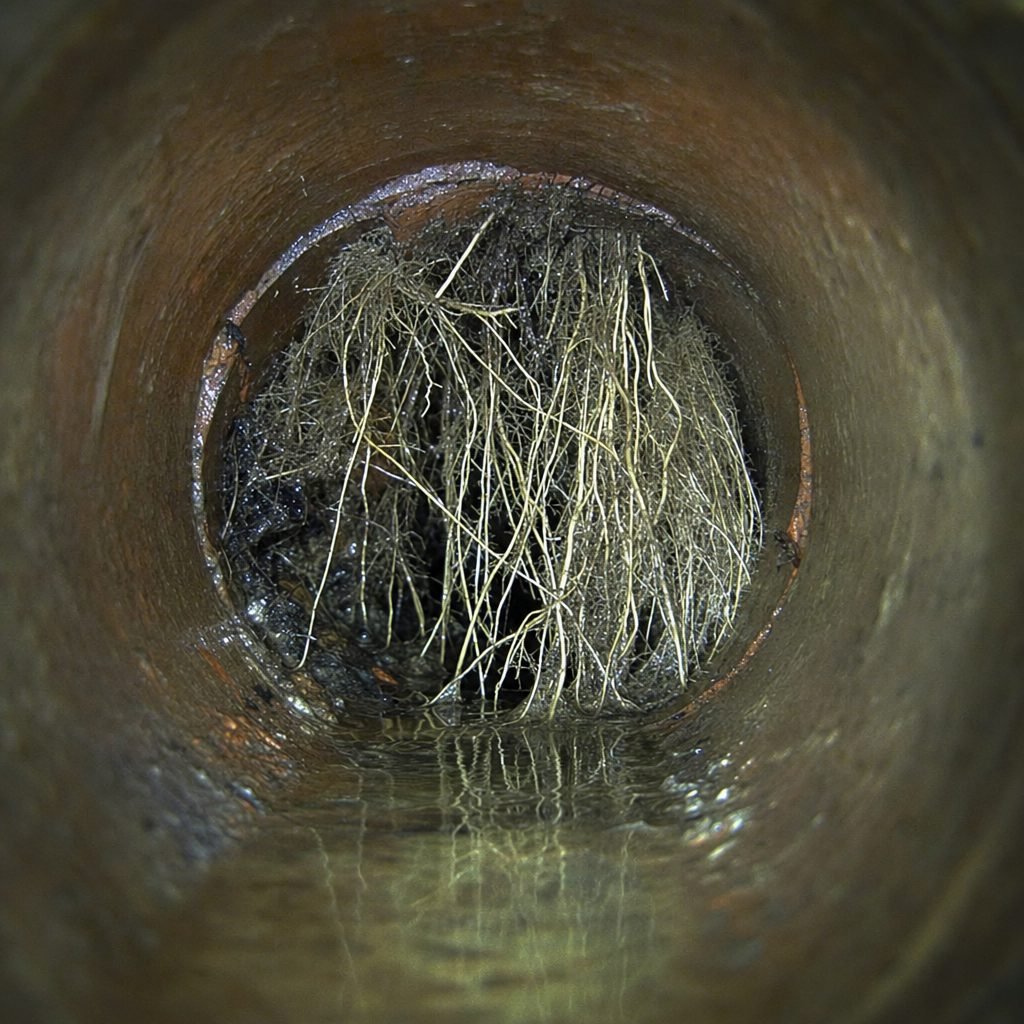
A jetter with a cutting head will clear roots out of a line, and that is often the fastest way to get flow back. What it does not do is close the joint the roots came through.
Roots do not enter sound pipe. They find a crack or a failed joint that is already letting moisture out. Clearing them buys time, which is sometimes exactly what is wanted, but it is worth knowing that is what you are buying.
What it costs and what moves the price
Length of line, how far the build-up has gone, and access. A short kitchen branch and a full lateral out to the main are different jobs by a wide margin. Where a property has no usable cleanout, gaining access becomes part of the job and is the variable most likely to move a quote.
How we decide before quoting
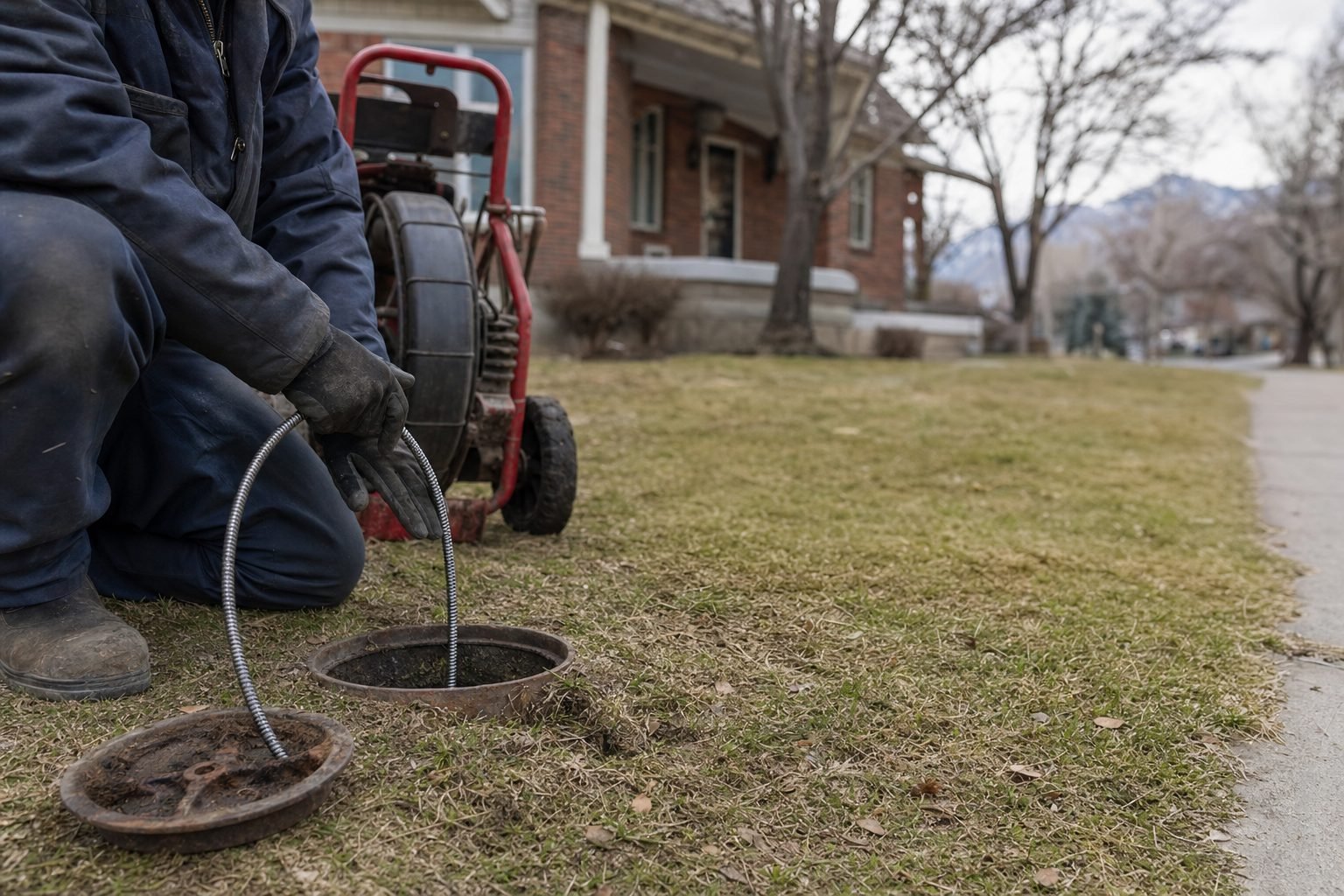
On anything that has failed before, the camera goes in first. That is not an upsell, it is what tells us whether jetting is appropriate at all. On a first-time blockage in a modern line we will often say a cable is enough and leave it there.
What you are left with
A line at close to its original diameter, and on a recurring problem a second camera pass so you can see the wall rather than take our word for it. If the pipe turns out to have a fault we could not address, you will hear that too.