What is happening
One blocked fixture is a fixture problem. Several at once is a main line problem.
Drains report problems indirectly. The fixture showing the symptom is often not where the trouble is, which is why the useful first question is not what is blocked but which fixtures are affected and when.
What usually causes it
In this area, four explanations cover most cases:
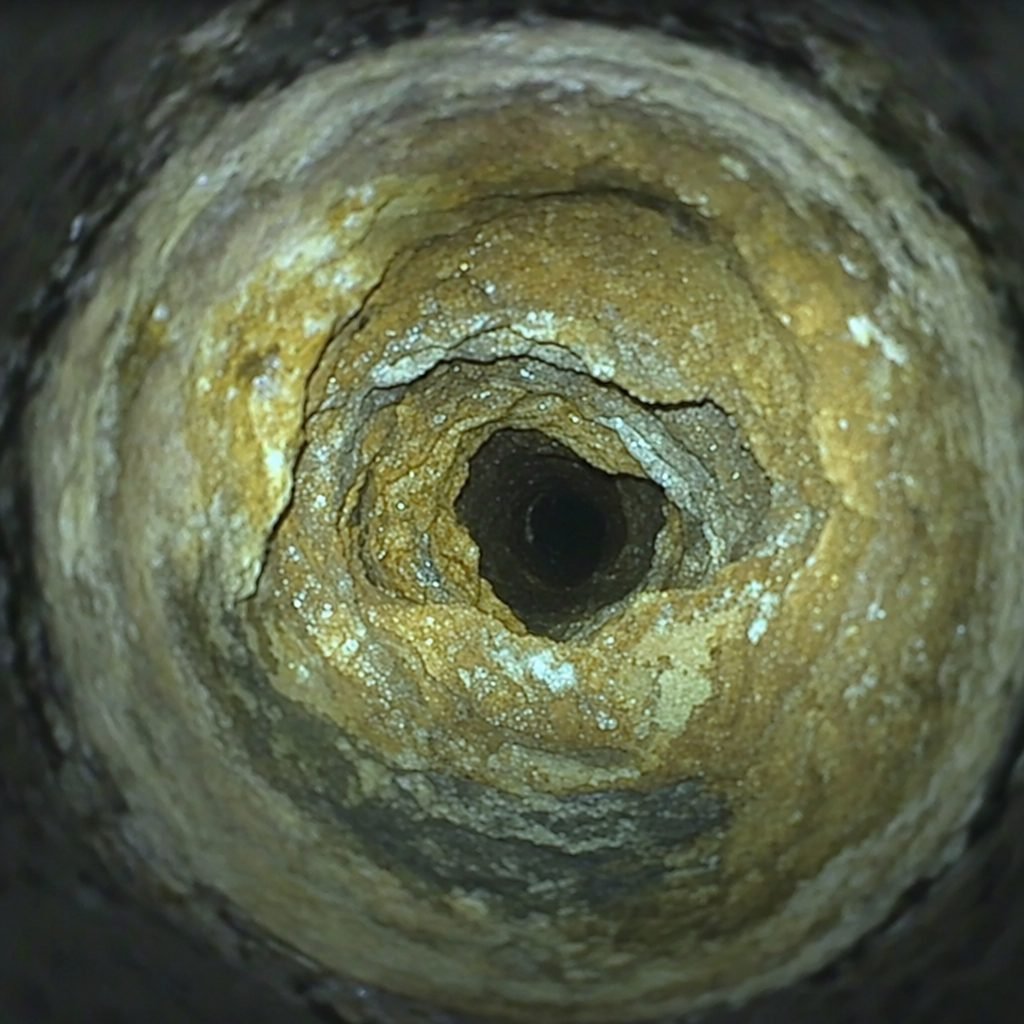
- A blockage in the main line
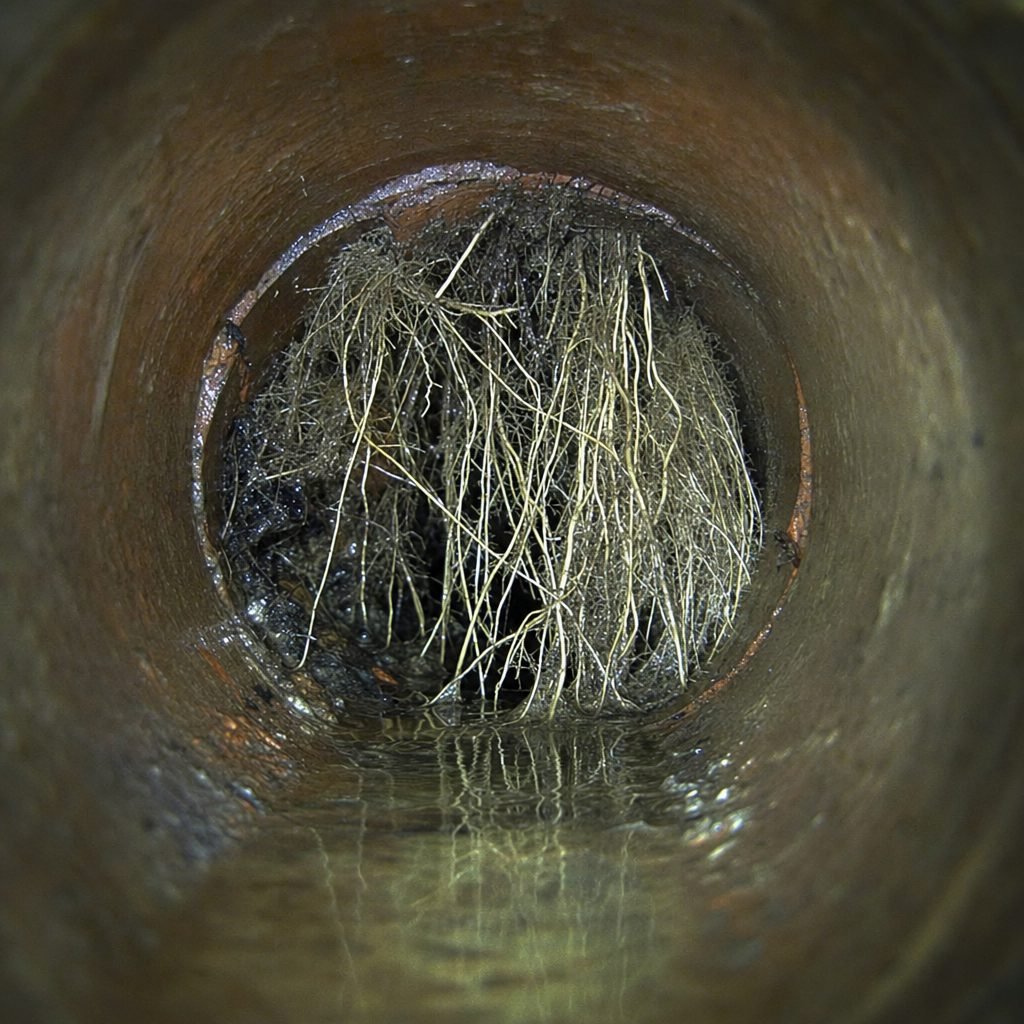
- Roots at a lateral joint
- A collapsed section
- A city-side problem, occasionally
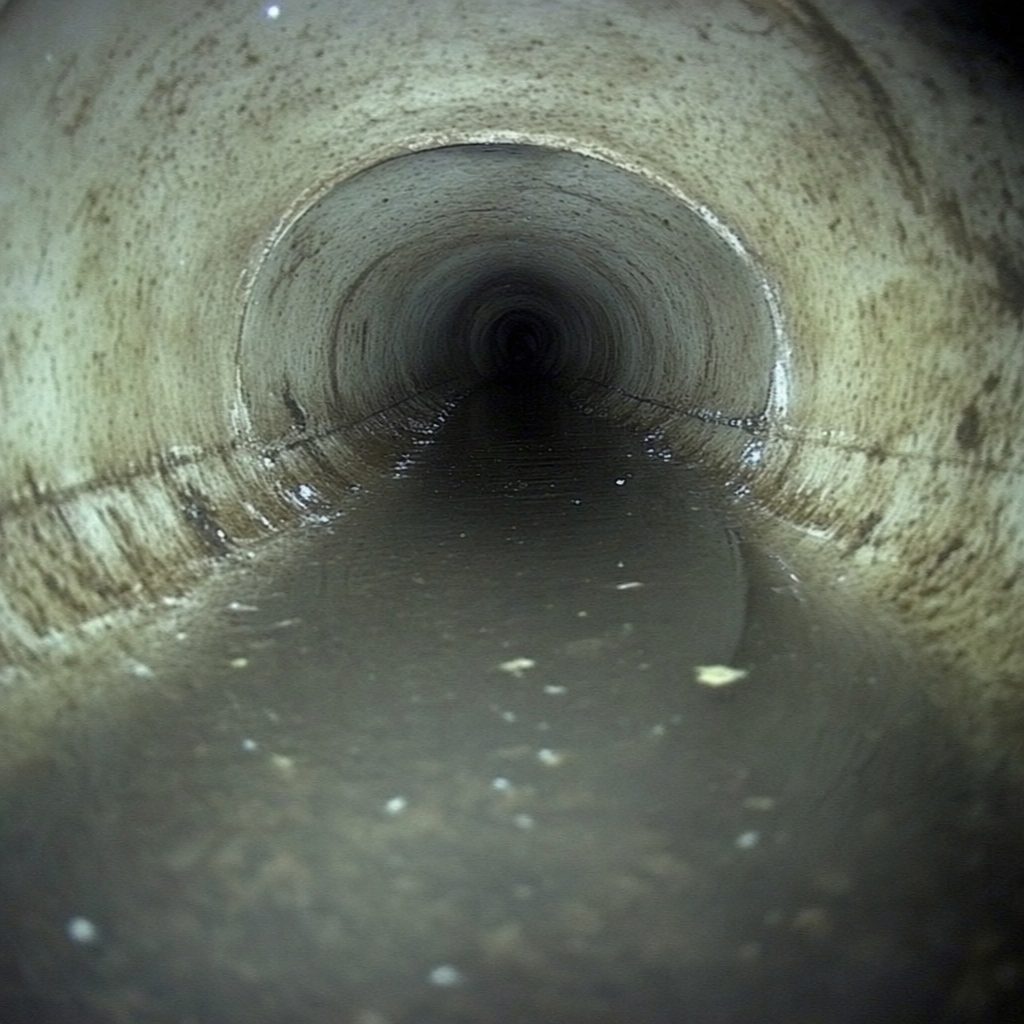
Which one applies changes the fix entirely, and they are not distinguishable from inside the house. We would want to see it before saying anything for certain.
What you can check yourself
Run the fixtures one at a time and note which ones react to each other. Two drains that respond to one another share a pipe, and that narrows things considerably.
Note whether it is getting worse gradually or started suddenly. Gradual usually means the pipe has been closing up for a long time. Sudden usually means something specific is in the way.
Narrowing it down
Establish whether the affected fixtures are all downstream of one point. If everything on the lowest floor is affected and nothing upstairs is, that locates the problem more precisely than any description of the symptoms will.
What guessing costs
Clearing individual fixtures when the main is blocked is work that cannot succeed. It is worth establishing that the main is the problem before paying anyone to open a sink.
When it is worth calling
If it has happened before, it is worth finding the cause rather than clearing it again. A drain that has been opened twice and returned twice will return a third time.
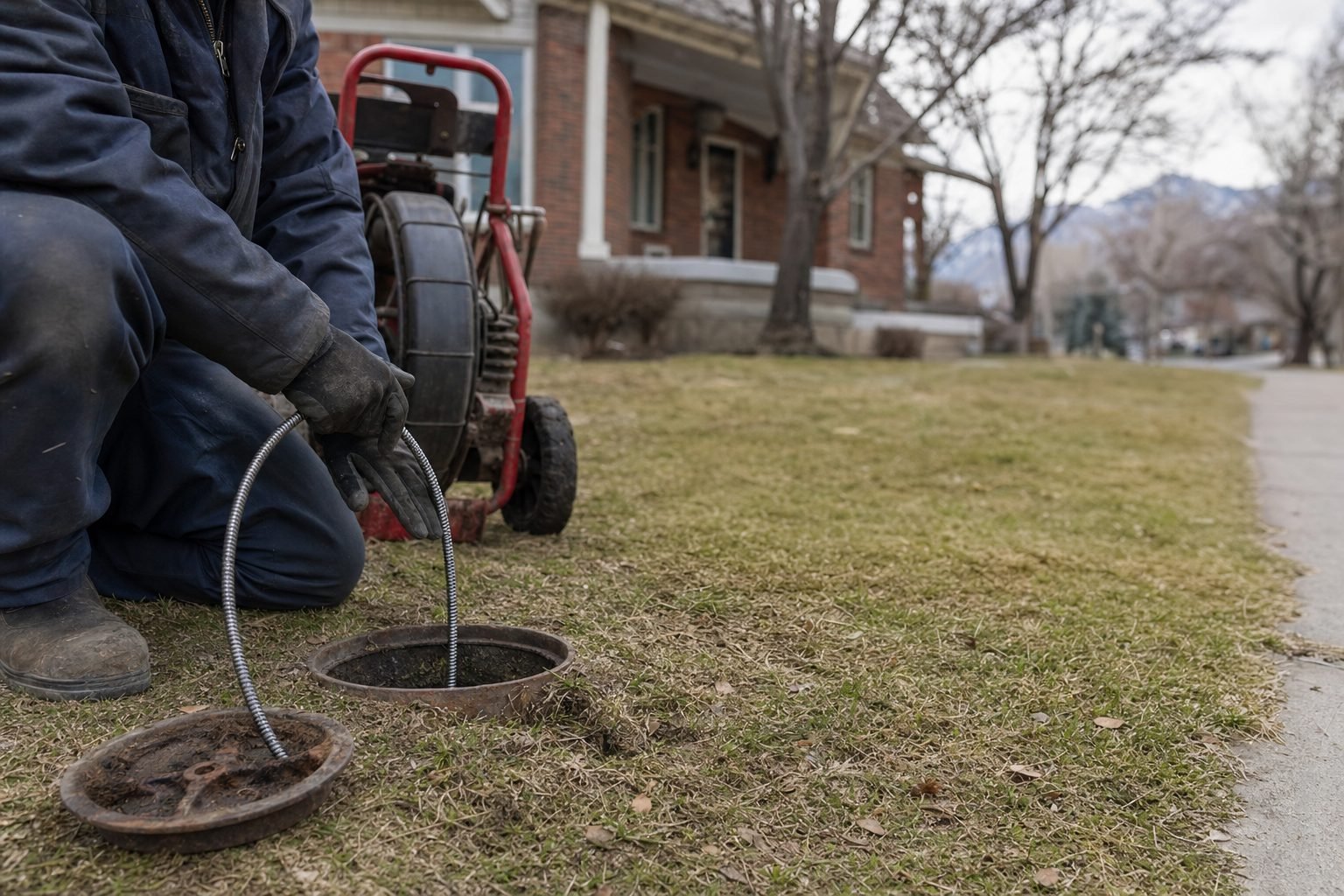
On this particular pattern, main line cleaning is the service that most often resolves it, though we would confirm that by looking rather than by assuming.