The general rule
In most Northern Utah municipalities the property owner is responsible for the lateral from the house to the connection at the main. The city takes it from there.
Why the detail matters
The exact boundary varies, and in some places responsibility extends further than owners expect. It is worth a call to your city before there is a problem rather than during one.
What this means in practice
If a blockage is on your side, it is your cost. If the problem is at the main, it is not, and you should not be paying a contractor to address it.
How to find out which it is
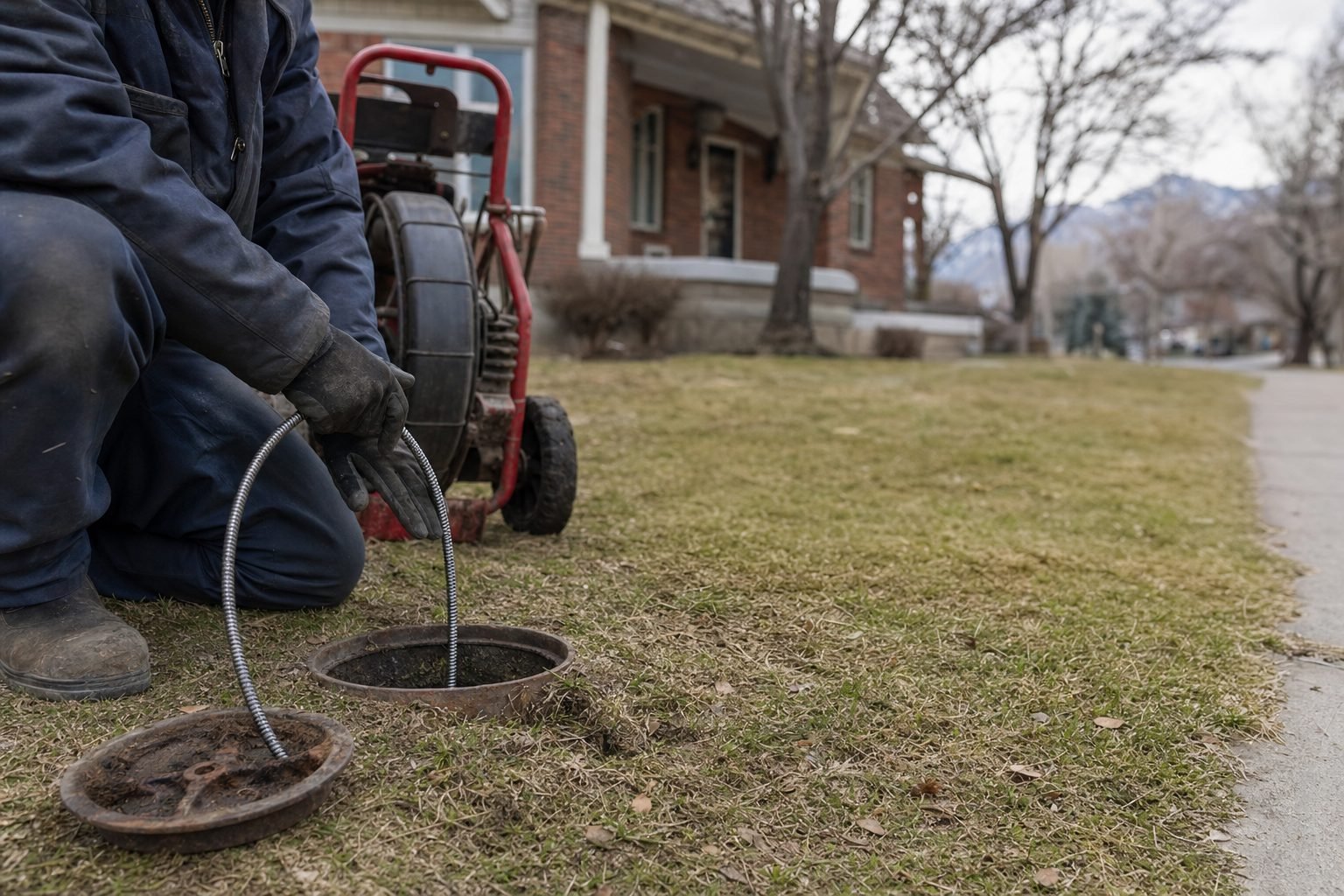
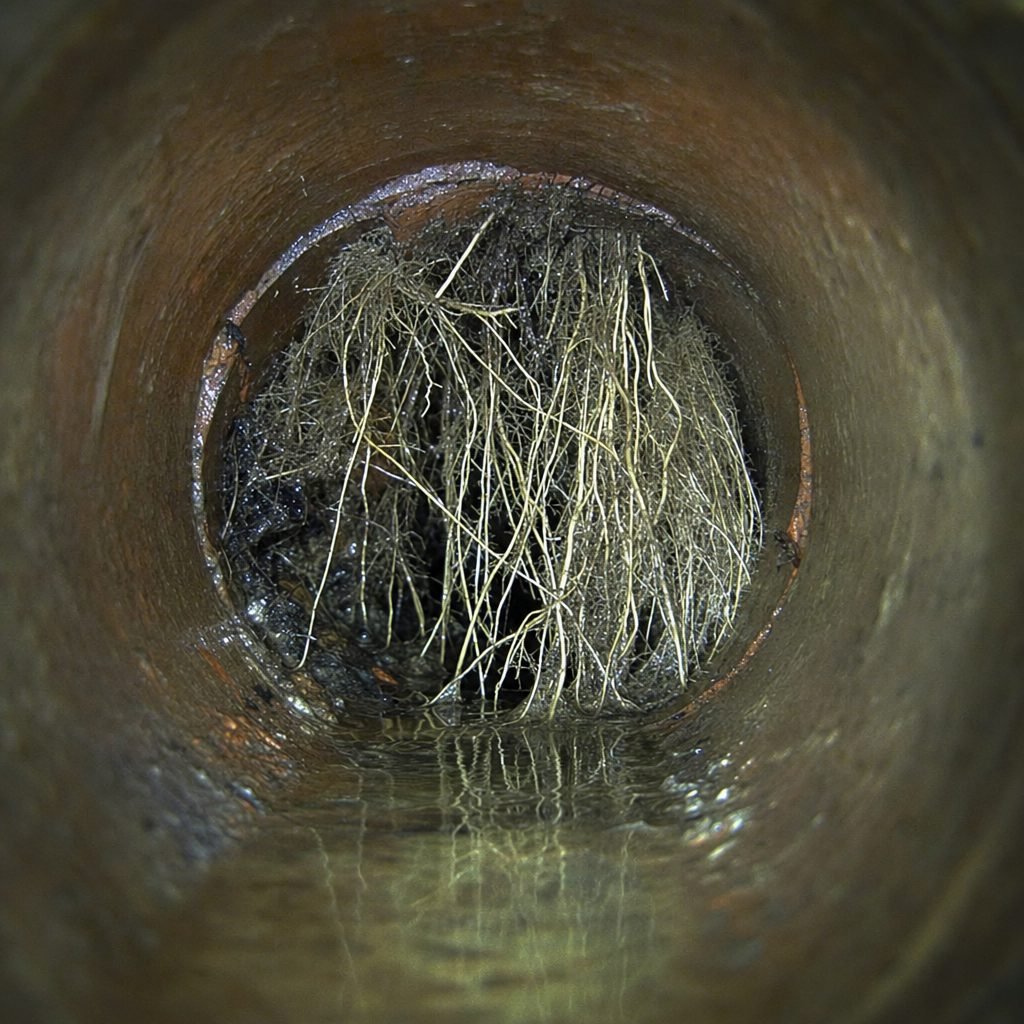
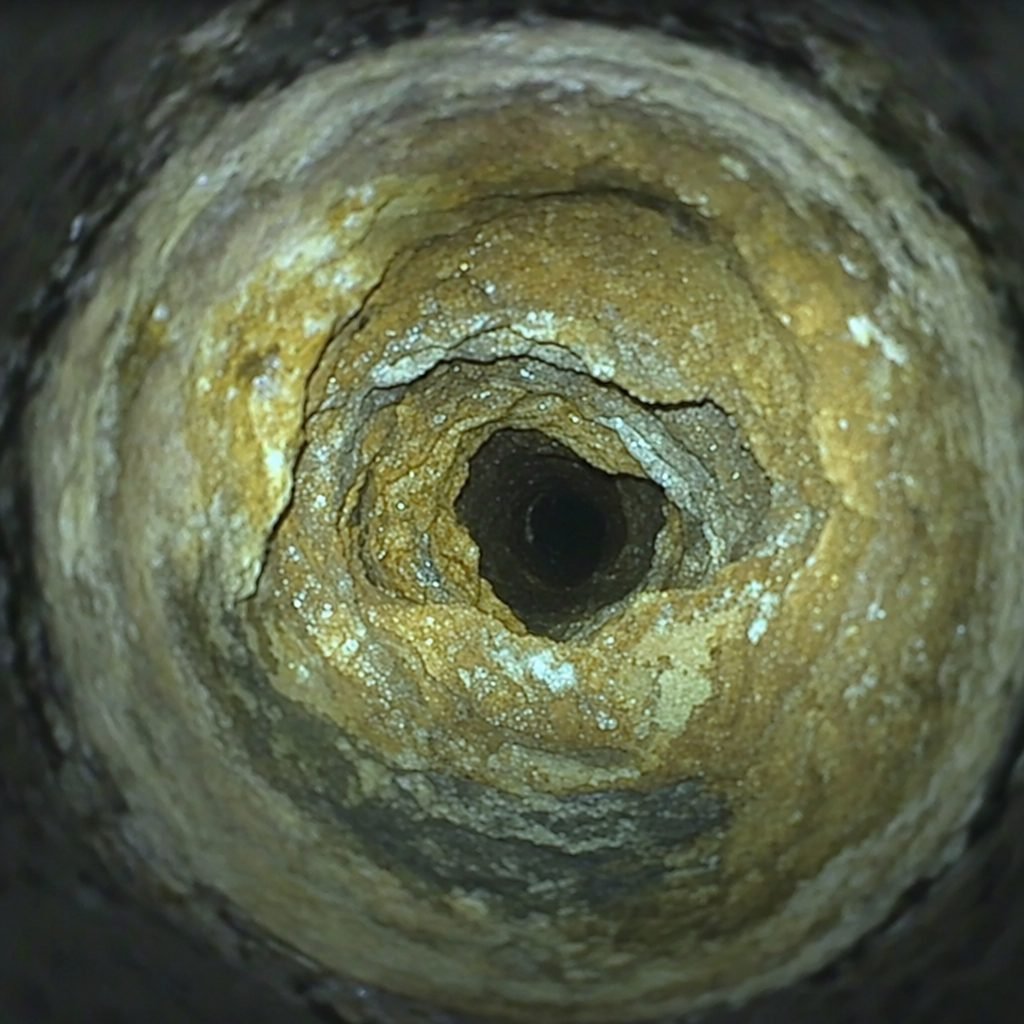
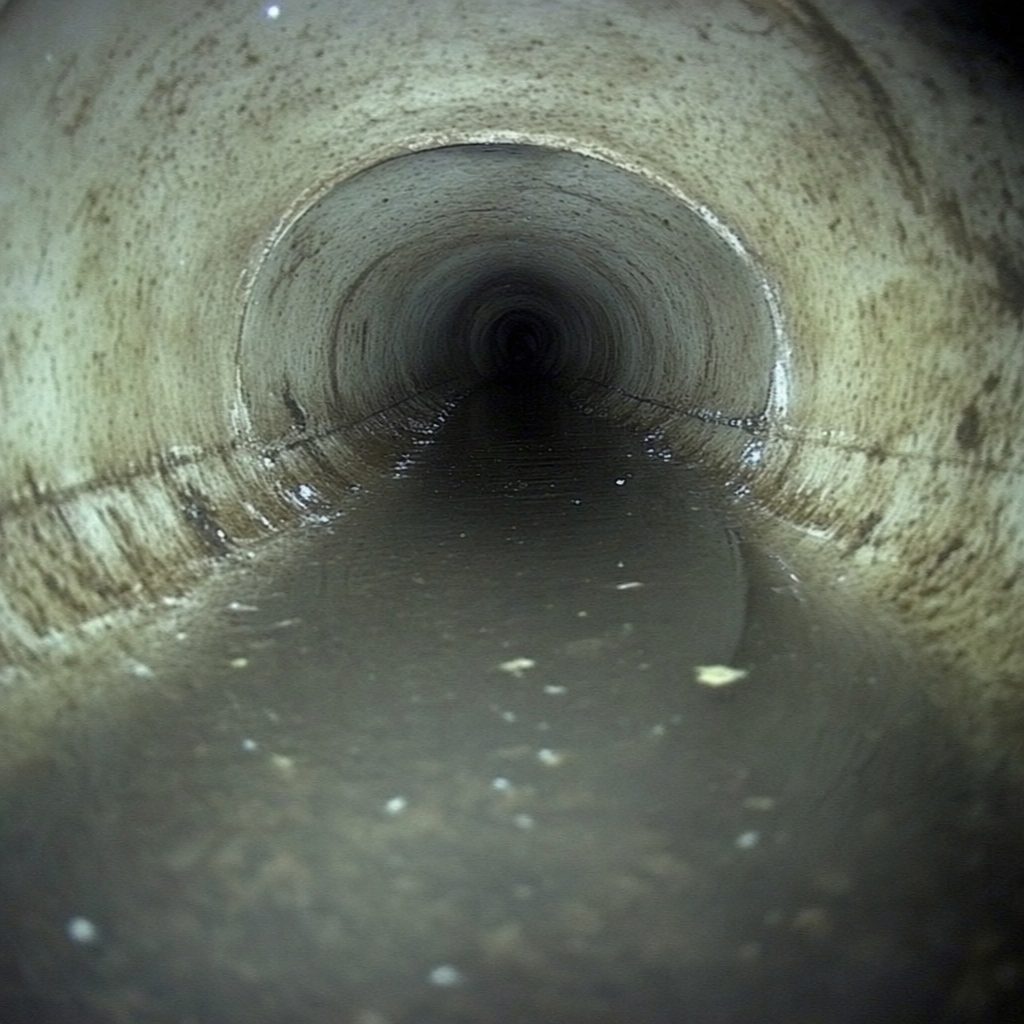
A camera pass locates the fault and its distance from the house, which is usually enough to establish which side of the boundary it sits on.
Why it comes up at the worst moment
Nobody researches this until there is sewage in the basement, which is the least useful time to find out. Ten minutes on your city’s website now is worth a great deal later.
What to do if it turns out to be the city’s
Report it and stop paying contractors to address it. A camera pass that establishes the fault is beyond your boundary is one of the more valuable results you can get.
Where the boundary usually sits
Commonly at the property line or at the connection to the city main, though which of those varies by municipality. Some cities take responsibility from the curb, others do not. It is worth knowing which yours is.
Why a camera settles arguments
It gives the fault a measured distance from the house. Combined with a plan of where your boundary sits, that usually establishes responsibility without anyone having to dig to find out.