Grease and cooking oil
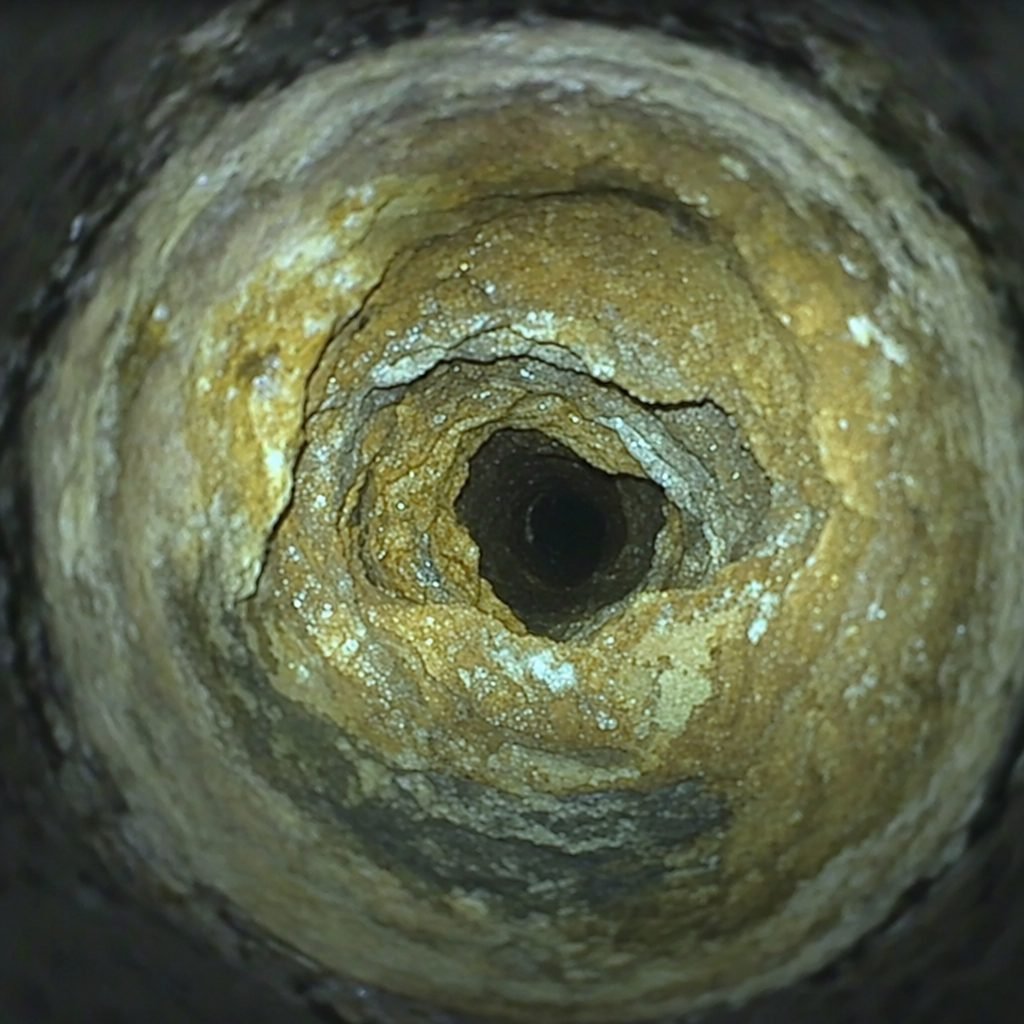
The worst of them, because it goes down warm and liquid and cools solid on the pipe wall. Every subsequent thing that passes catches on it. Let it cool and put it in the bin.
Wipes, including the flushable ones
They do not break down the way toilet paper does. They catch on anything rough inside the line and gather more behind them.
Coffee grounds and food waste
Grounds settle and pack down, particularly in a line that already has a shallow fall or a low section.
Chemical drain cleaners
Worth avoiding outright in older cast iron. They can sit against a corroded wall without clearing the restriction, and they make the line unpleasant for whoever opens it next.
The one that surprises people
Hot water and dish soap does not solve grease. It moves it further down the line, where it cools and sets somewhere less convenient. The grease still exists; it is just now in the part of the pipe you cannot reach.
What actually happens to a wipe
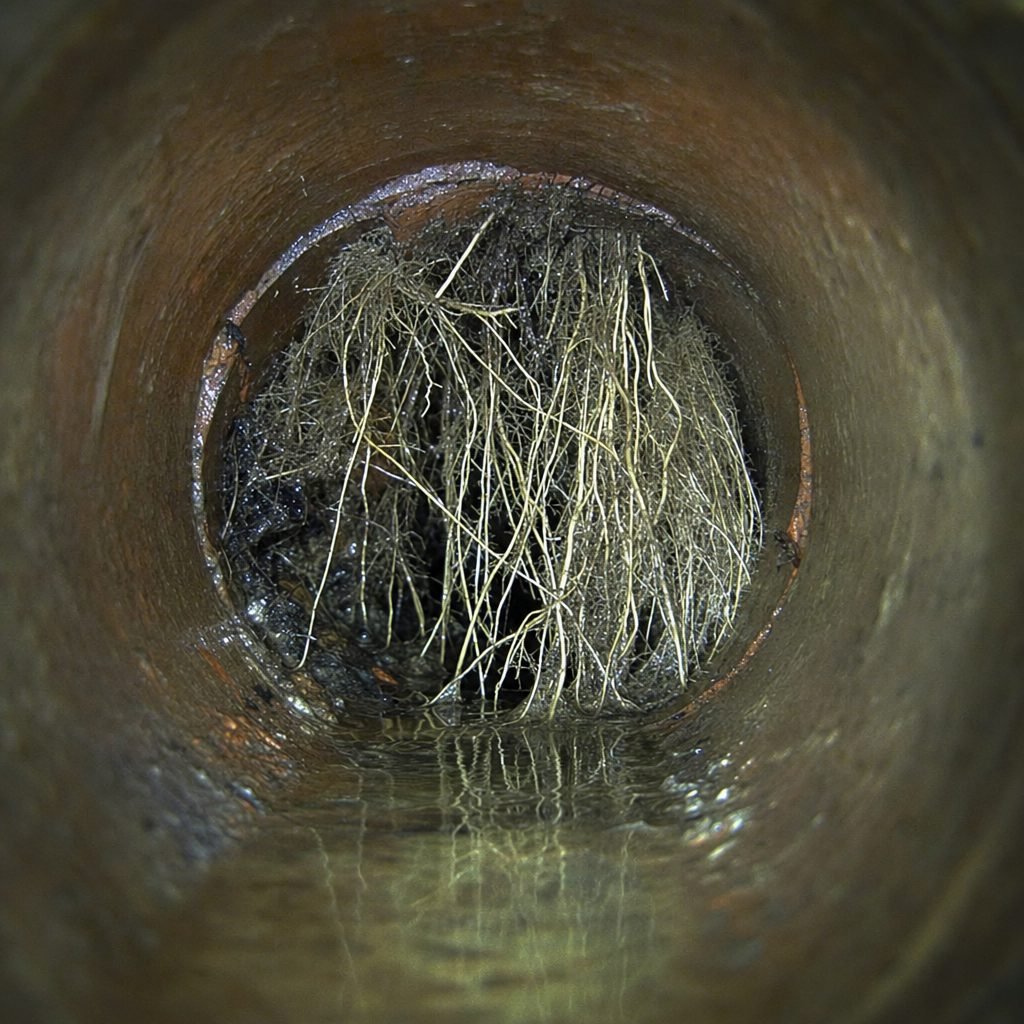
It catches on a rough spot, usually at a joint or a bend, and stays there. The next one catches on that. A blockage made of wipes is built in layers over months and is one of the most common things we pull out of a main.
Garbage disposals
A disposal grinds food finer. It does not make the line better at carrying it, and in a marginal pipe it can make matters worse by sending a steady stream of fine solids into a line that already has somewhere for them to settle.
What is genuinely fine
Water, ordinary use, and toilet paper in the toilet. Most drain trouble comes from a small number of specific things rather than from normal household use, which is worth saying because drain advice online tends toward alarm.