Worth doing
When a drain has backed up before. When several fixtures are affected at once. When the house predates about 1970. When you are buying and want to know what you are inheriting. When someone has quoted you an excavation and you would like to see the reason.
Not worth doing
A bathroom sink that is slow for the first time is almost always hair in the trap. Paying for a camera to confirm that is money spent on something already known. We will say so on the phone.
What a camera cannot tell you
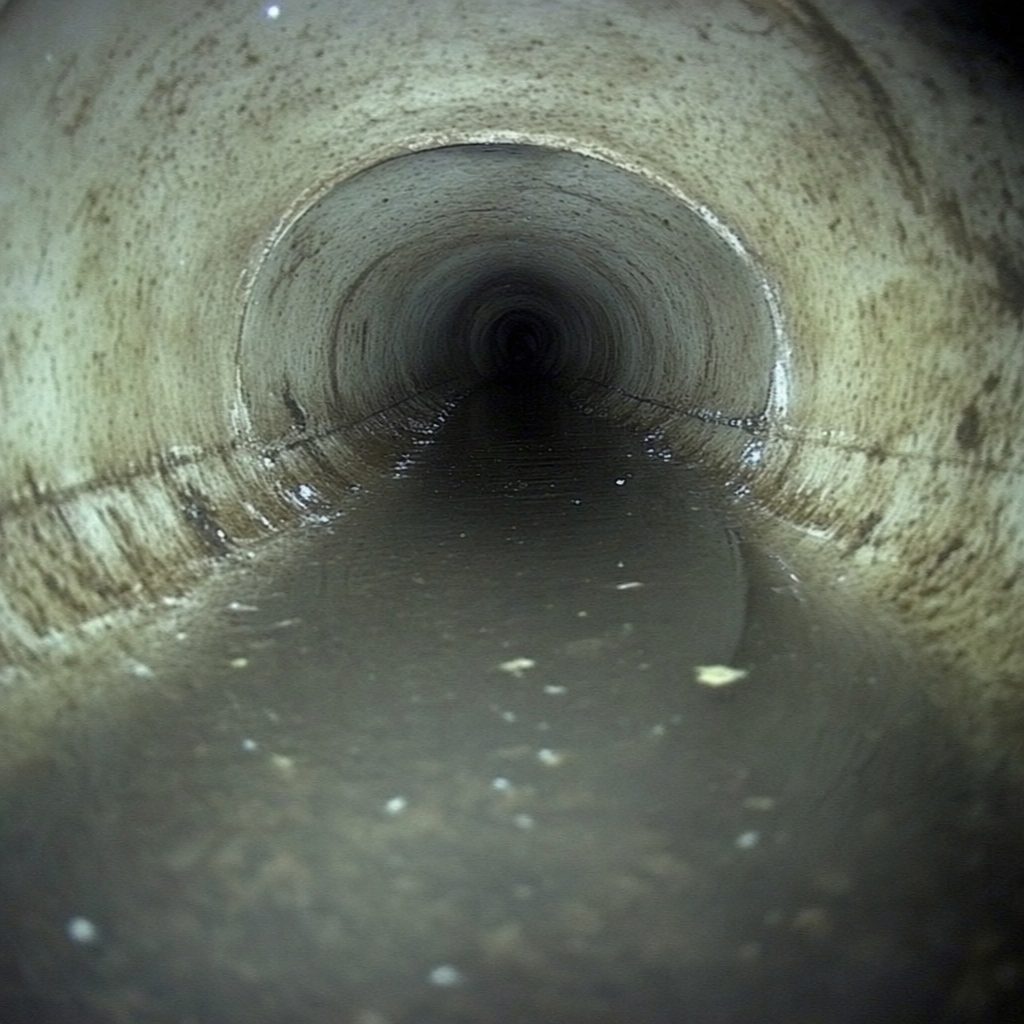
It shows the inside of the pipe well. It does not show the condition of the soil around it, and it cannot always distinguish a shallow belly from a camera resting at an angle. Where the picture is ambiguous, the honest answer is that it is ambiguous.
Getting value from it
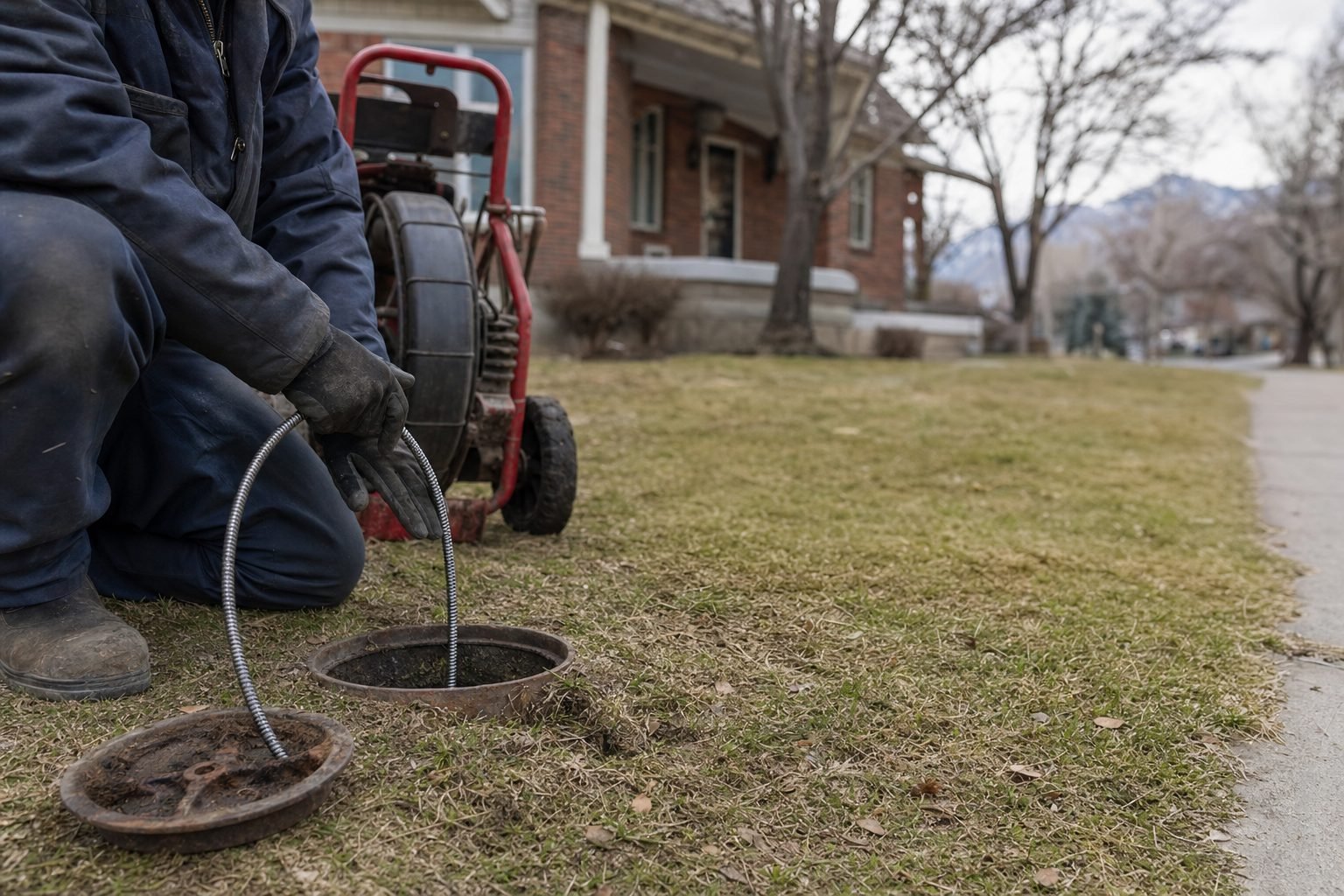
Watch the screen while it happens, and ask for the recording. It is your pipe. If a recommendation follows, it should be tied to something you saw.
What it costs against what it prevents
A camera pass is a small fraction of an excavation. Its value is not that it finds problems; it is that it stops you paying for the wrong solution to one you already know about.
The question it exists to answer
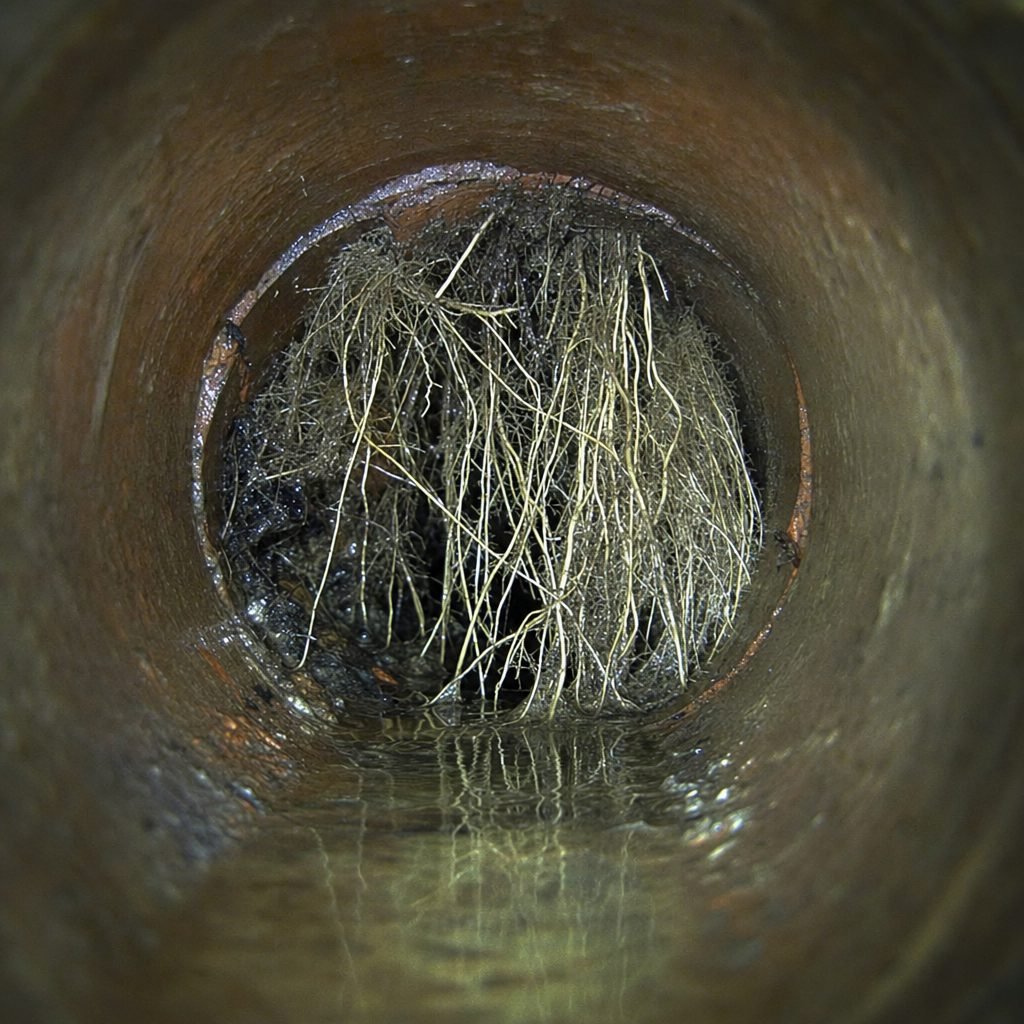
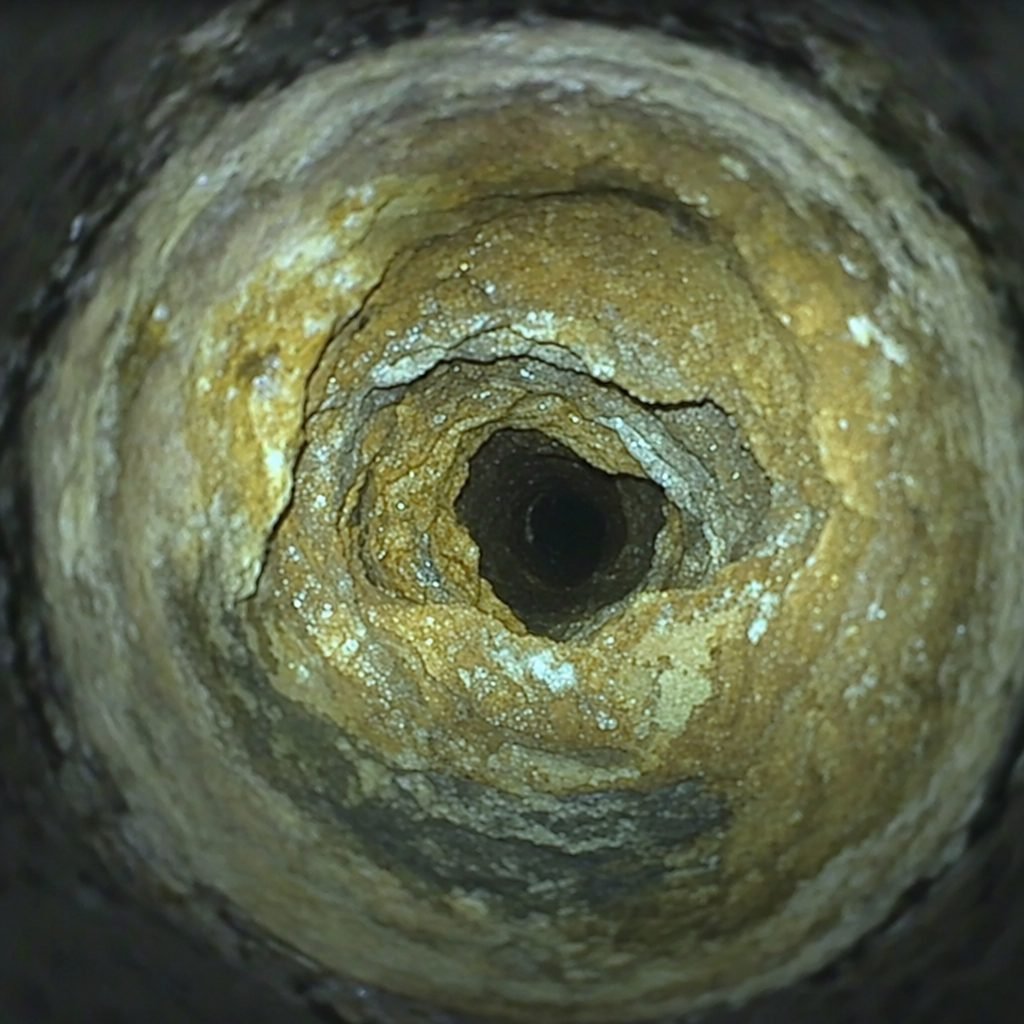
Is this pipe sound. Everything else follows from that. A sound pipe with a coated wall needs cleaning. A pipe that has failed structurally needs something else, and nothing about the symptoms inside the house distinguishes the two.
What a good camera pass includes
Distance recorded as the head travels, so a fault has a location rather than just a description. Footage you can keep. And a plain statement of the pipe’s condition along the whole run, not only at the point of interest.
A note on being sold one
A camera is a genuinely useful tool and it is also an easy add-on to sell. The test is whether anyone can explain what question it will answer for your specific situation. If the answer is vague, the inspection probably is not needed.