Hot water and regular use
The most effective maintenance is unglamorous. Running hot water through a kitchen drain after cooking moves grease along before it sets. Traps that get used regularly stay wet and keep their seal.
Strainers
A basic sink strainer stops most of what causes kitchen and bathroom blockages. It is the cheapest intervention available and the most consistently skipped.
What to avoid
Chemical drain cleaners, particularly in older cast iron. They frequently fail to clear the actual restriction and can damage a corroded line.
What does not work
Most of the enzyme products sold for monthly maintenance make little measurable difference to a line that is already coated. They are not harmful. They are just not the fix people believe they are buying.
For older cast iron specifically
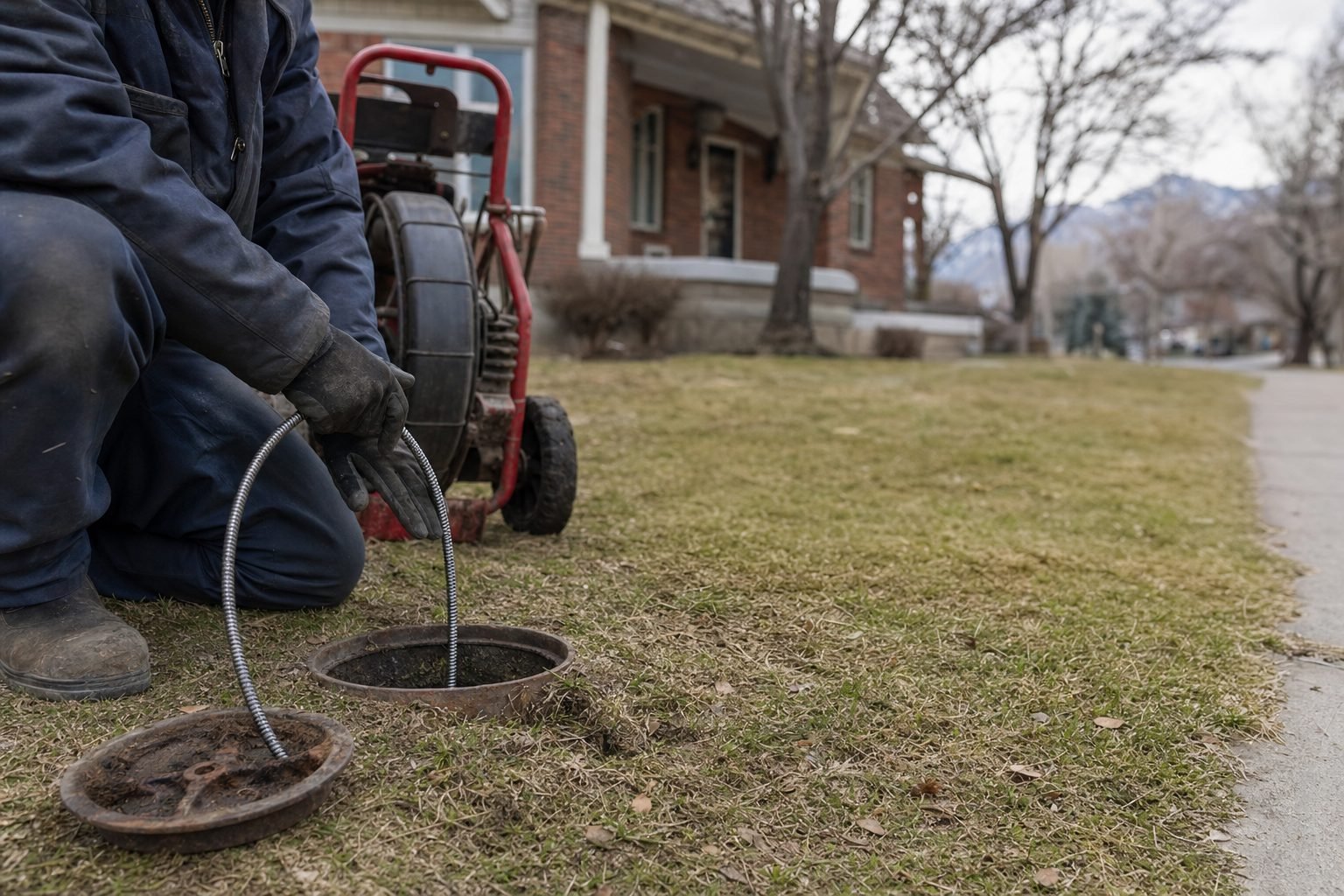
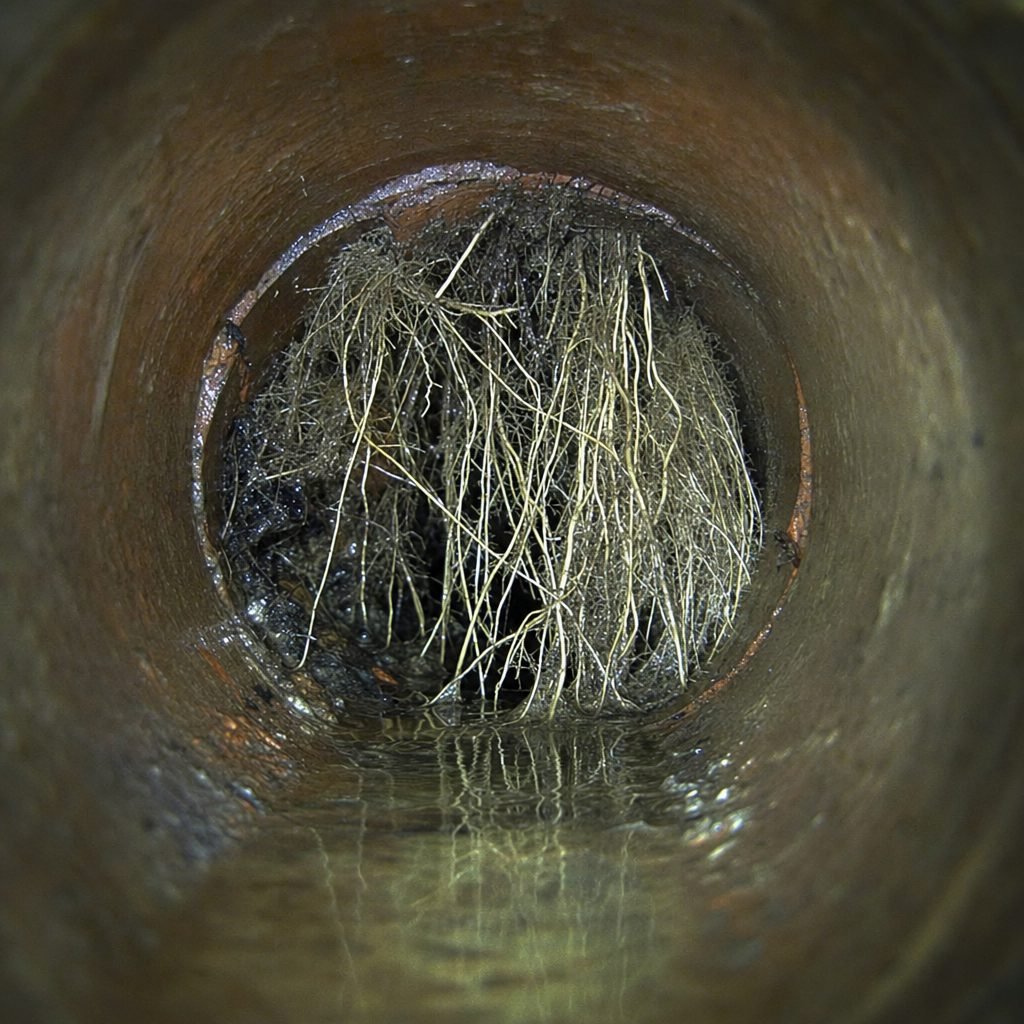
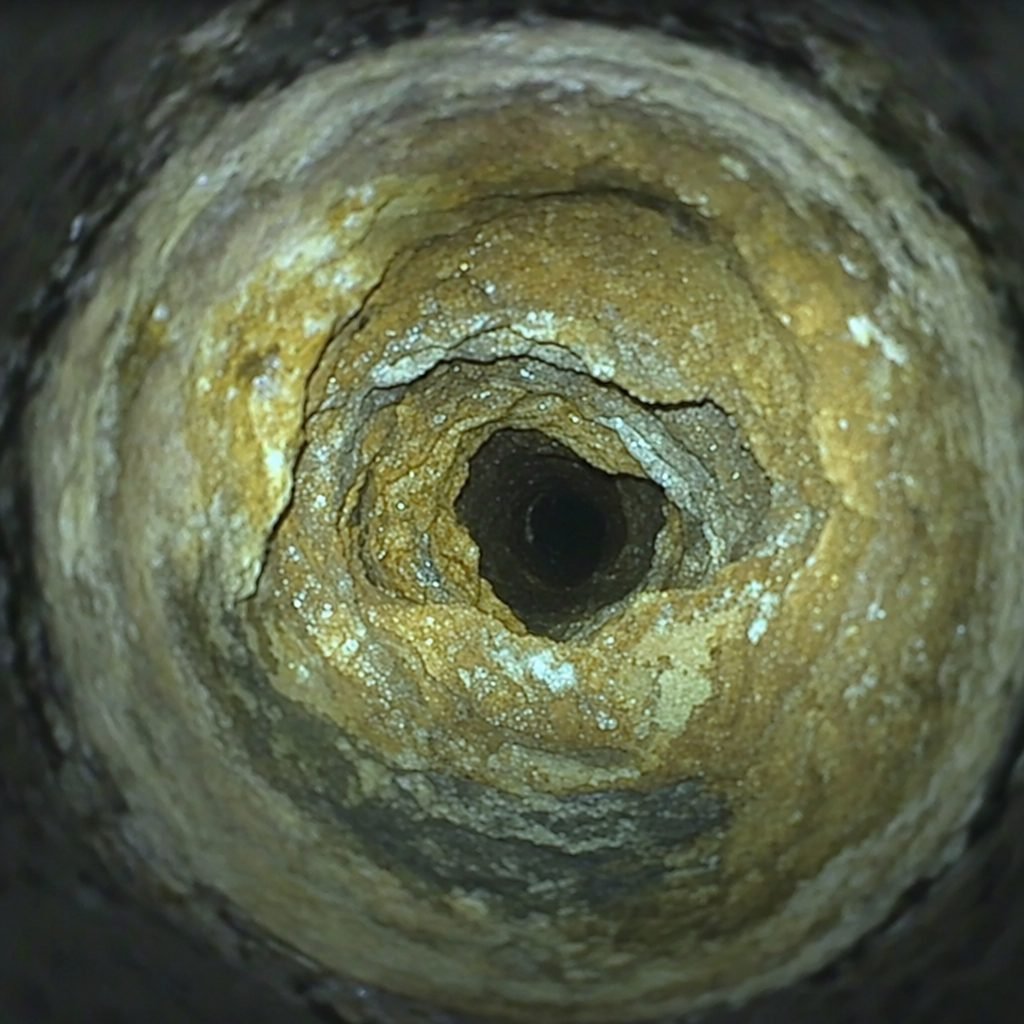
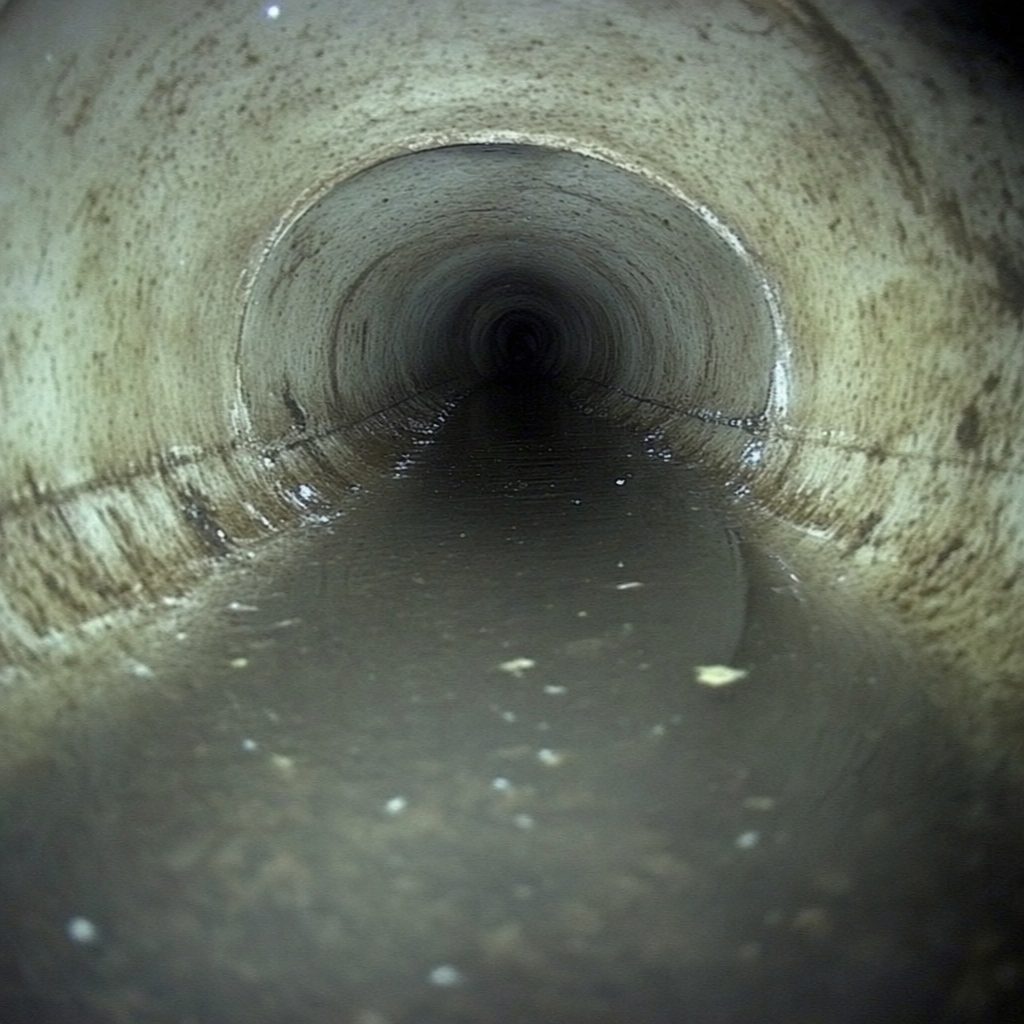
If the house predates about 1970, the useful maintenance is knowing the condition of the line rather than pouring things into it. One camera pass tells you whether you are managing a healthy pipe or a nearly closed one.
The one habit worth building
Notice change. A drain that has slowed over a few months is worth acting on while it is still cheap. The same drain ignored for two years becomes a different job.
The boiling water question
Very hot water helps move grease along while it is still liquid. It will not remove a coating that has already set, and boiling water is not advisable with older plastic fittings or a compromised line.
Baking soda and vinegar
It is harmless and it makes a satisfying noise. It does not meaningfully clear a coated pipe. If your drain is genuinely slow, this is not what will fix it, and it is worth knowing that before relying on it.